
A supply chain logistics video fails when it relies on generic shots of moving boxes. Logistics is not about movement; it is about precision, timing, and data. Your audience—from the warehouse floor manager in Commerce City to the logistics planner—needs to see the system at work, not just the finished product.
To effectively explain complex processes like cross-docking, inventory tracking, or last-mile delivery, you must break the process down into key visual components. Based on our work documenting distribution centers in the Denver industrial corridor, here are the seven essential, cinematic shots needed to turn opaque logistics into clear, verifiable video documentation.
1. The Low-Angle "Arrival" Shot
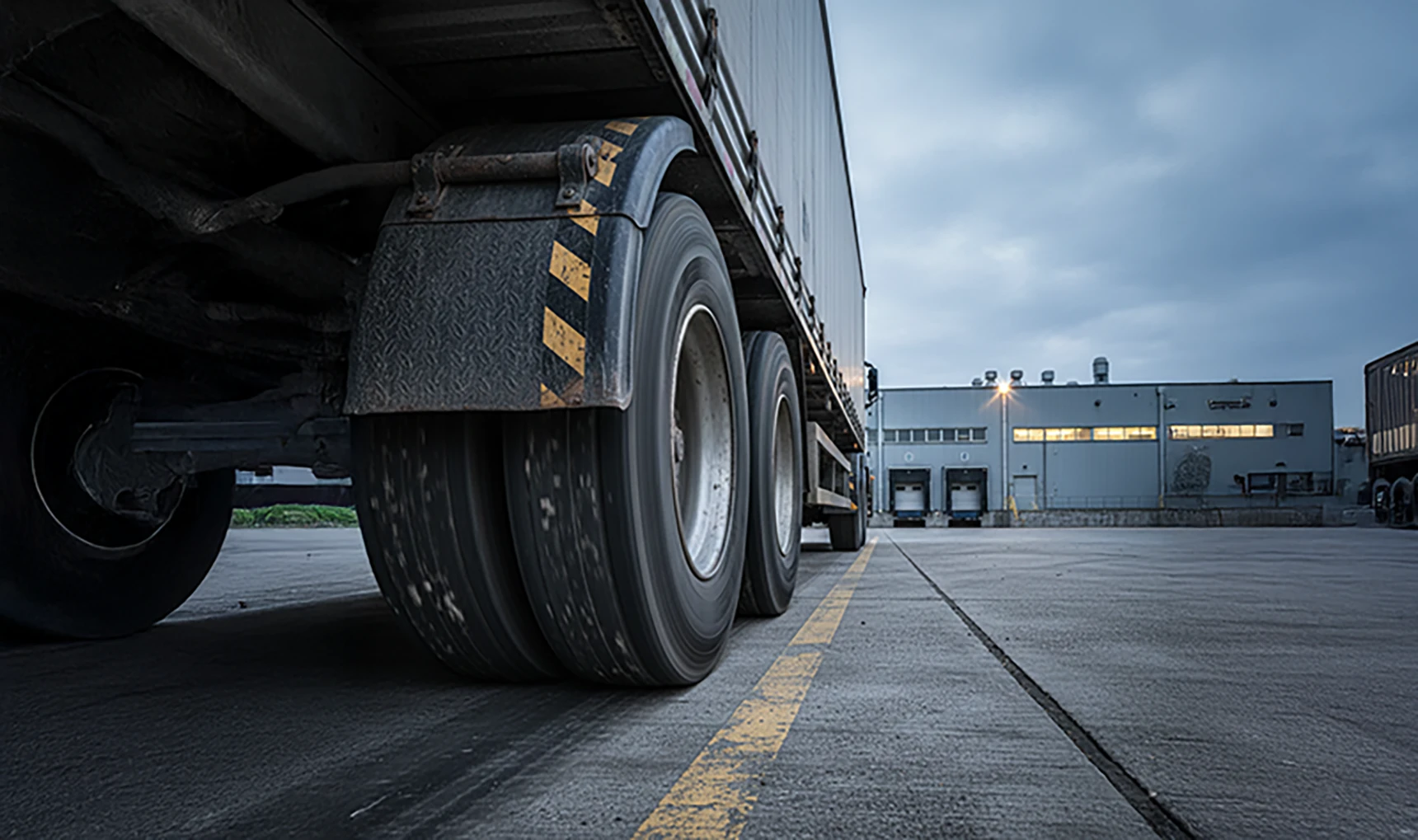
This shot establishes the scale and the environment.
Goal: Convey the sheer volume of material entering the system.
Technique: Use a low-angle shot of a tractor-trailer backing up to a dock door. The camera, placed near the pavement, looks up at the towering steel and rubber. Use a wide-angle lens to exaggerate the size and scope of the vehicle, emphasizing the industrial scale common in major Commerce City distribution parks.
2. The Close-Up "Hand-Off" Shot
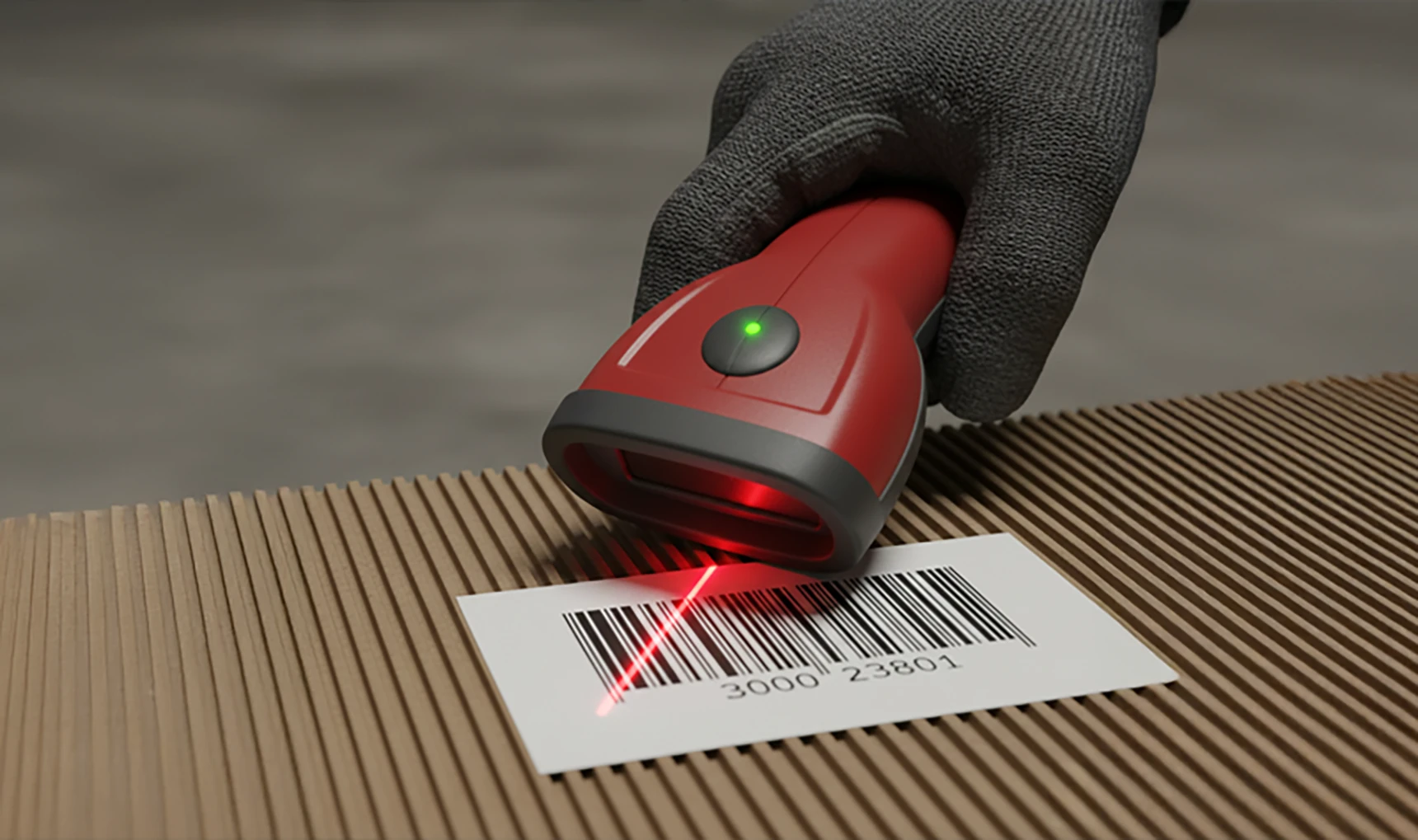
Logistics hinges on verification, making the hand-off the most critical moment.
Goal: Document the transfer of accountability.
Technique: Film an extreme close-up of a hand scanning a barcode on a pallet label. Focus should be shallow, isolating the scanner light, the hand in a work glove, and the printed tracking number. This demonstrates that data, not just freight, is moving.
3. The Medium "Process Detail" Shot
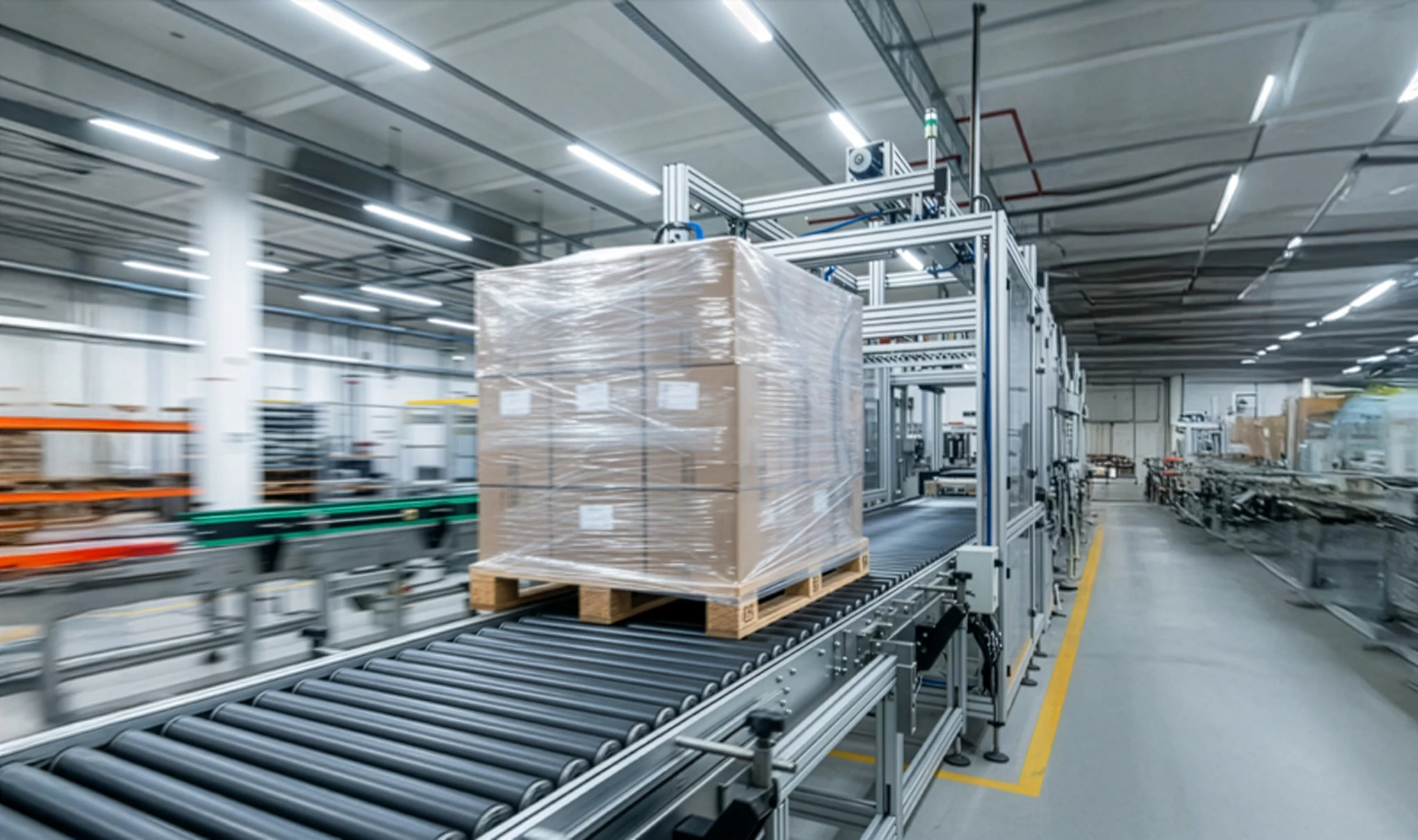
To avoid a wide shot of an overwhelming warehouse, focus on a single piece of equipment performing its task.
Goal: Explain a critical, moving step like automated wrapping or sorting.
Technique: Place the camera at a medium distance, level with the machinery, and use a slider to track the item (e.g., a pallet) as it moves through the automated shrink-wrap process. The movement should be deliberate and smooth, mirroring the efficiency of the logistics workflow.
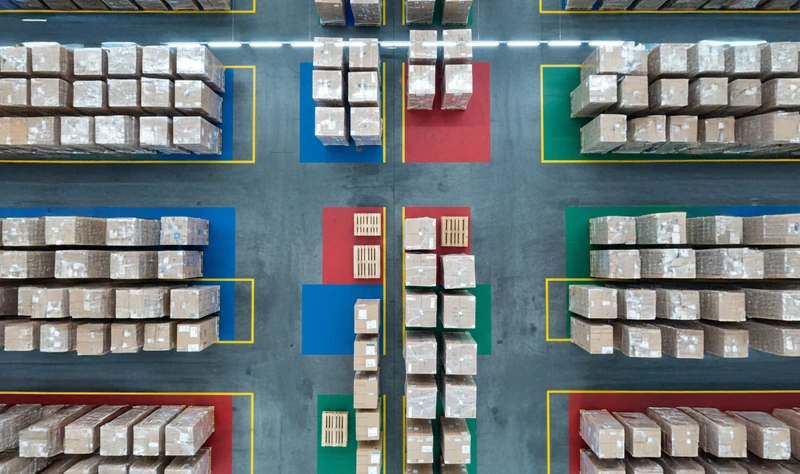
4. The Top-Down "Overhead Map" Shot
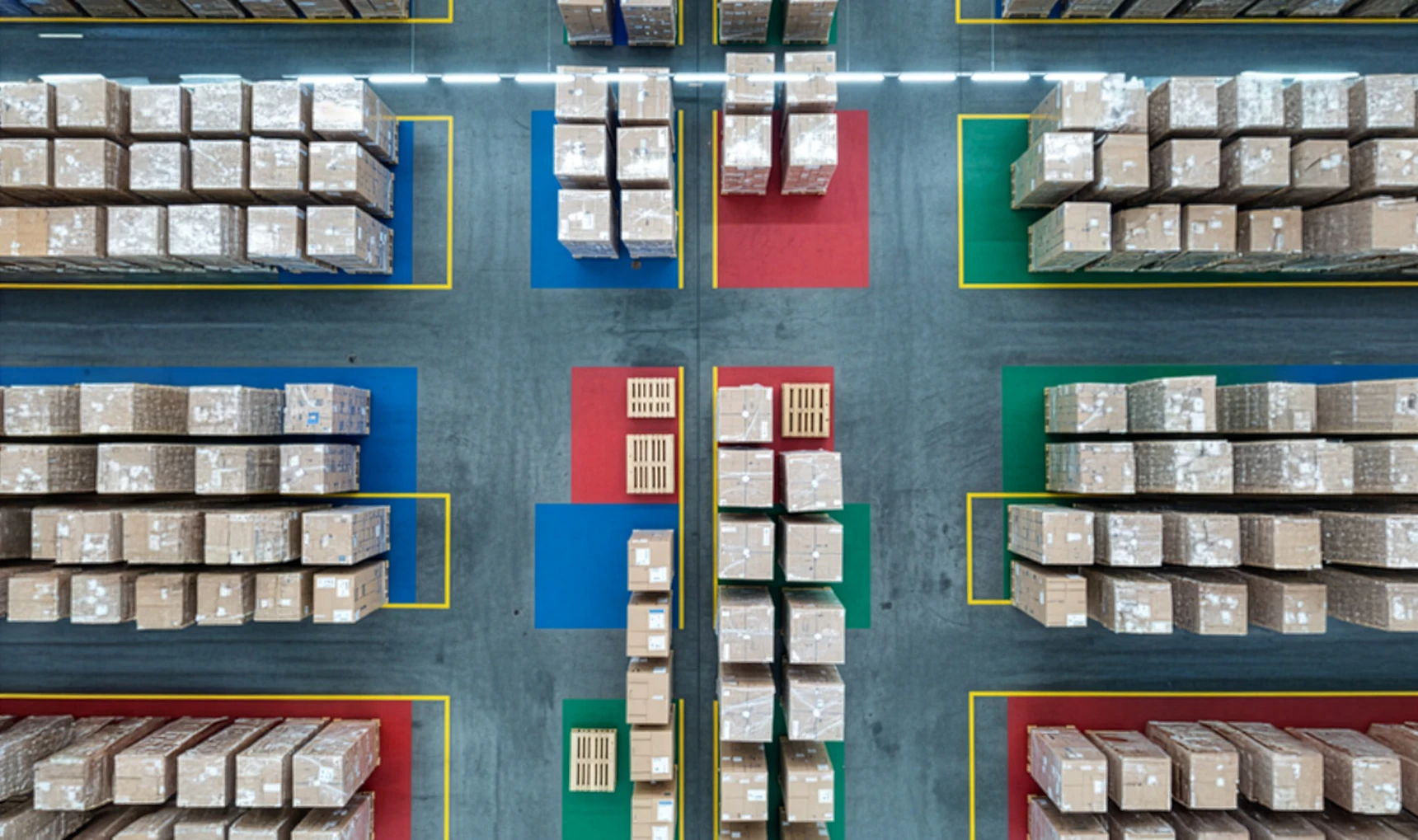
This shot provides necessary orientation for complex material flow.
Goal: Illustrate traffic patterns, zoning, or spatial organization within the facility.
Technique: Utilize a tripod extended to 12 feet or a small, stabilized drone to get a direct top-down view of a specific area—for instance, the designated cross-docking zone where freight is being reorganized. This acts as a living diagram for the viewer.
5. The Profile "Operator Focus" Shot

Human intervention is necessary for quality control, and this shot gives credit to the expertise.
Goal: Show the focused expertise of an operator performing a manual check or using specialized equipment (e.g., a reach truck).
Technique: Film the operator in profile, framed tightly, with the focus on their eyes and hands as they operate the controls. Use the motion of the machinery (a forklift moving a high-rack pallet) to give the shot energy, while the operator remains the steady focal point.
6. The Abstract "Data Flow" Shot
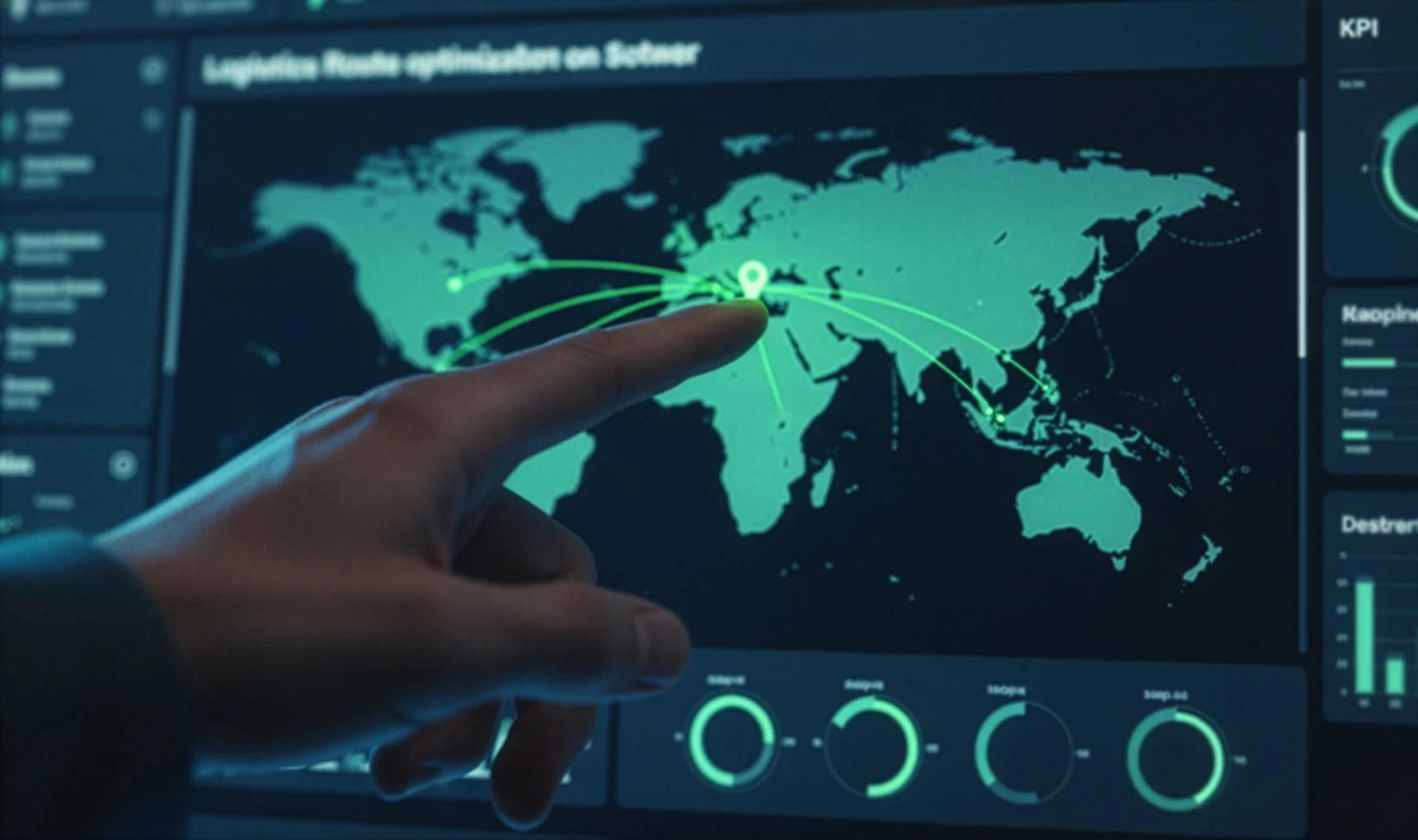
Logistics is data, and this shot must visualize the digital side of the supply chain.
Goal: Make the invisible data flow tangible.
Technique: Film an extreme close-up of a screen displaying a route optimization map, a shipment manifest, or a key performance indicator (KPI) dashboard. The screen should be slightly out of focus, then rack focus sharply onto a technician's finger deliberately selecting a data point. The visual ambiguity emphasizes the reliance on complex software.
7. The Final "Sunset Departure" Shot

This concluding shot provides a sense of finality and successful execution.
Goal: Close the process loop - the freight is moving toward its destination.
Technique: A cinematic, low-angle tracking shot of the outbound truck leaving the facility at dusk or dawn. Use a long focal length to compress the background (e.g., the vast industrial park architecture) and make the vehicle feel powerful and determined. This is the payoff shot for the efficient Commerce City operation.
Key Takeaways for Logistics Videos
These seven shots allow you to tell a complex story about process, technology, and verifiable data without resorting to a boring, wide overview. By prioritizing the detail of the workflow - the barcode, the caliper, the smooth camera movement - you demonstrate an understanding of logistics that moves beyond simple video production.
About the author: